

Reading for purpose is any reading which helps you to do something else – for example by reading directions or instructions.
We know that reading for pleasure has huge benefits for children, not only in terms of improved levels of literacy, but also for a range of socio-emotional outcomes. Reading for pleasure is (rightly) a key theme in the majority of literacy interventions.
It remains true, however, that not all children (or adults) do enjoy traditional forms of reading. This is where reading for purpose can be a useful additional approach. For some children, particularly those who struggle with reading or do not believe they will ever enjoy it, it can be helpful to reframe reading as a tool which helps you to enjoy and explore other things.
Reading for purpose and reading for pleasure are both important, but individual children (and parents) may resonate more strongly with one or the other. Therefore, including both ideas in your messaging could support more families to engage with reading.
Below, we’ve shared examples of different types of reading for purpose that have been shared through our reading log.

Reading instructions
Being able to read instructions can help in all sorts of areas, from cooking to building toys or taking care of a pet.
“It was a rainy day so we played a board game. Gracie read the instructions and had to read the board in order to navigate.”
“We were cooking dinner together and Flynn was trying to read the instructions, really good effort.”
“Moses has been growing his own butterflies at home and has been helping read the instructions and emails of what happens next.”
Taking part in the school play
“Emily has been reading and learning her Oliver! Script.”
“I practised my songs and my lines for the play so I could get a good start and learn my lines.”
“Lizzie is very excited with her part in the school play. She is practicing already!”
Enjoying the football
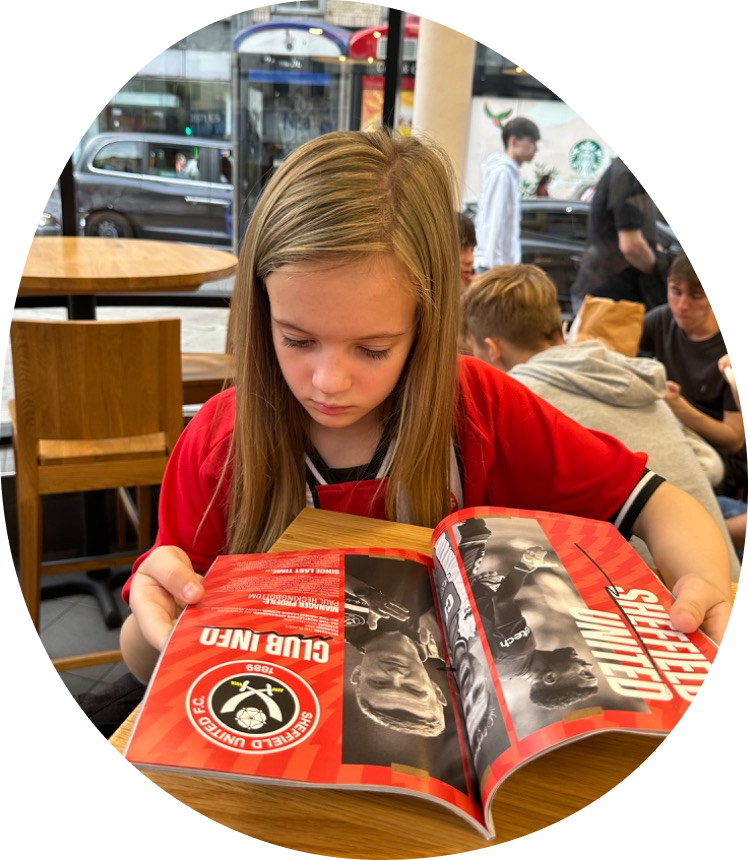
“Went to the football at Wembley. Brought a match day programme and spent 45 minutes of train journey encouraging Ben to read it.”
“Billy has been reading the Euros page on BBC sport.”
“Jackson wanted to learn more about different football players and teams in the Euros so he did some research.”
“Mia read the football programme for the Cambridge United game at the stadium. She was particularly interested in the statistics from the last game and also who the CEO was and what their responsibilities at a football club.”
Watching TV with subtitles
The World Literacy Foundation suggests turning the subtitles on as a powerful tool to help children’s literacy progress. There’s even a whole organisation, Turn on the Subtitles, that exists to encourage parents and educators to turn on the subtitles to improve reading skills.
“Eli likes to have the subtitles on so he can read what is being said”
“Lisa has been watching the Marvel films with mummy. We have had the subtitles on and Lisa has been working hard to read and sound out words.”
“There’s a TV show that James enjoys watching, however new episodes are in Japanese, so he has been reading the English subtitles in order to follow to story.”.
Reading and writing birthday cards
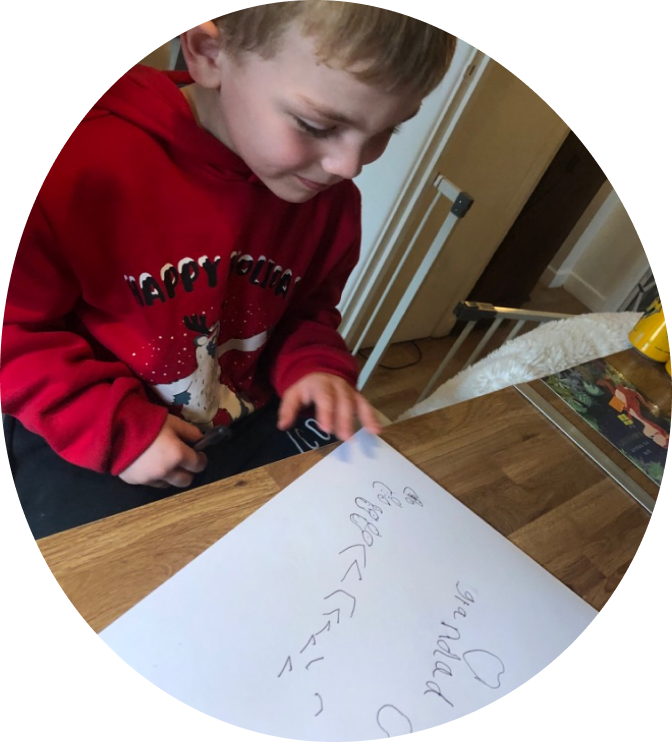
“Harry did some great sounding out when reading who his birthday cards were from.”
“Lila read all of her birthday cards and all of their messages. Some were very long!”
“After Macy’s birthday party, her big sister helped her read her birthday cards from her friends.”
________________________________________________________
Could our reading log support your school? Find out more here, or book in a demo to speak to one of our team.
*Please note that, in line with our safeguarding policy, all names have been changed.


